Actor-aware priority on clinical and corporate environments
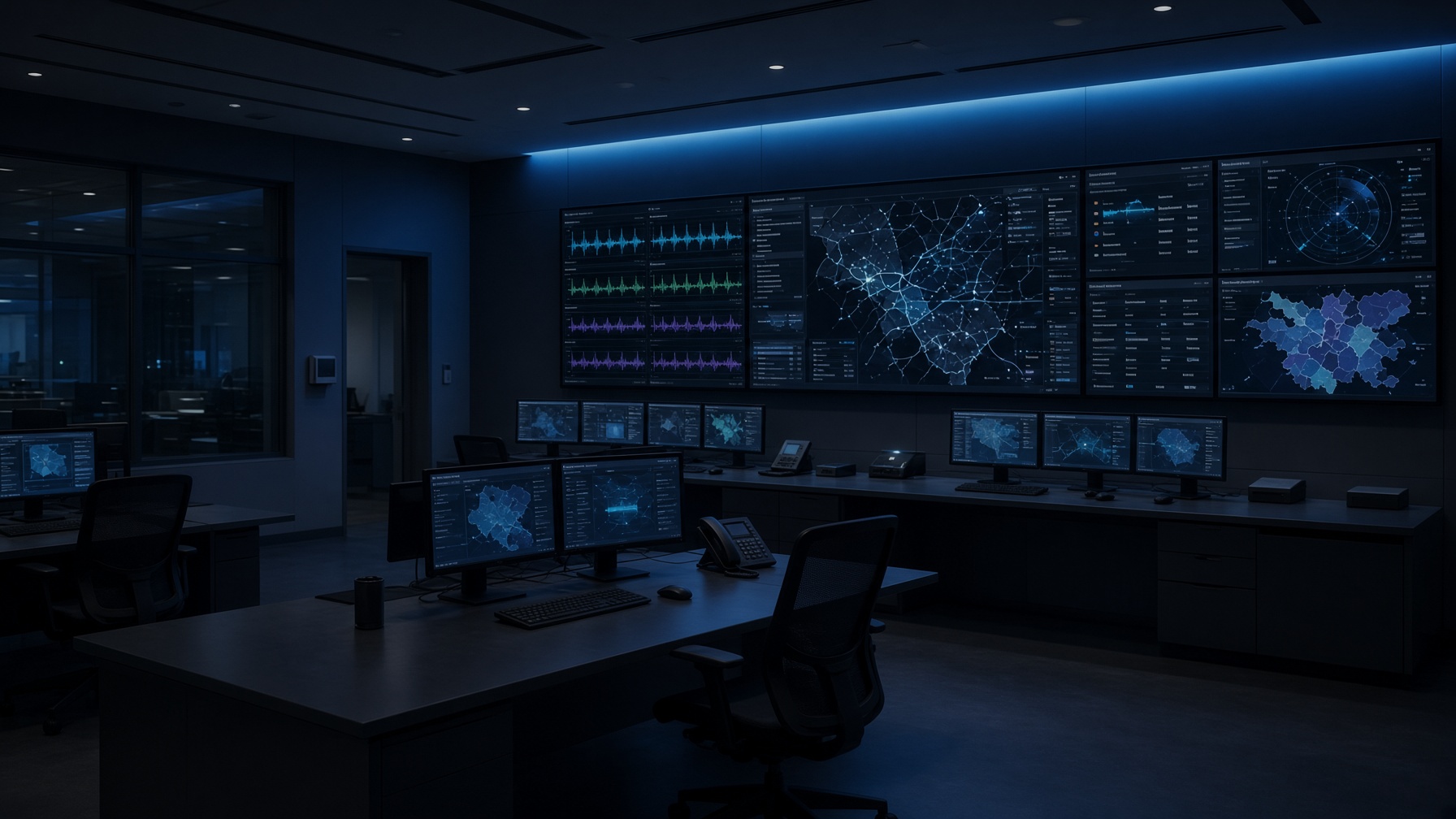
Health systems and clinical operators
The patient record is not the only system the actor wants.
Health systems already run a SOC, a vulnerability program, and a pile of vendor remote access. Attack Nemesis binds the actor and the CVE to the EHR, the imaging network, and the jump box — and keeps clinical operations from getting a generic IT brief.
What we hear
- Vendor VPNs and break-glass accounts that never meet the intel report
- Scanner queues that do not know which CVE is being used against hospitals
- A CISO brief and a clinical-engineering brief that are the same document, or none
On the platform
Attack Nemesis · Clinical environment
EHR · imaging · identityClinical environment
Health-system VPN listed by an access broker
AN-4408
Remote access
Ticket drafted
EHR break-glass abuse, night shift
AN-4388
Identity
Bound to SIEM
Imaging network reachable from a vendor jump box
AN-4376
Clinical IT
Watch
What changes
Intake that names EHR, PACS, and biomedical networks, not only laptops
Actions that land in the ticketing tools the health system already runs
Questions
Common questions
- How does Attack Nemesis help health systems?
- It binds the actor and the CVE to the systems hospitals actually run: the EHR, the imaging network, biomedical devices, and vendor jump boxes. SOC and vulnerability teams get actor-aware priority across clinical and corporate environments. Attack Nemesis treats the patient record as one target among several, because the actor does.
- Which healthcare systems does Attack Nemesis account for?
- EHR, PACS and imaging, biomedical networks, vendor VPNs, break-glass accounts, and the jump box, not only laptops. That means the intel report and the remote-access inventory finally meet. Attack Nemesis names the clinical environment, not just the IT environment.
- How does Attack Nemesis prioritize vulnerabilities for hospitals?
- By who is exploiting them. Scanner queues are ranked by whether a CVE is being used against hospitals, so the vulnerability team patches what an actor is actually after first. Attack Nemesis turns the scanner queue into an actor-aware list.
- Does clinical engineering get a different brief than the CISO?
- It should, and on Attack Nemesis it can. Intake names clinical systems, so clinical operations stop receiving a generic IT brief, or no brief at all. Attack Nemesis keeps clinical operations from getting a generic IT brief.
- Where do Attack Nemesis actions land for a health system?
- In the ticketing tools the health system already runs, after an analyst signs. No new queue for an already stretched team. Attack Nemesis puts the ticket where your people already work.
Next step
A briefing built around healthcare.
A forty-minute briefing: your sources, your stack, and the tickets that should already exist.